
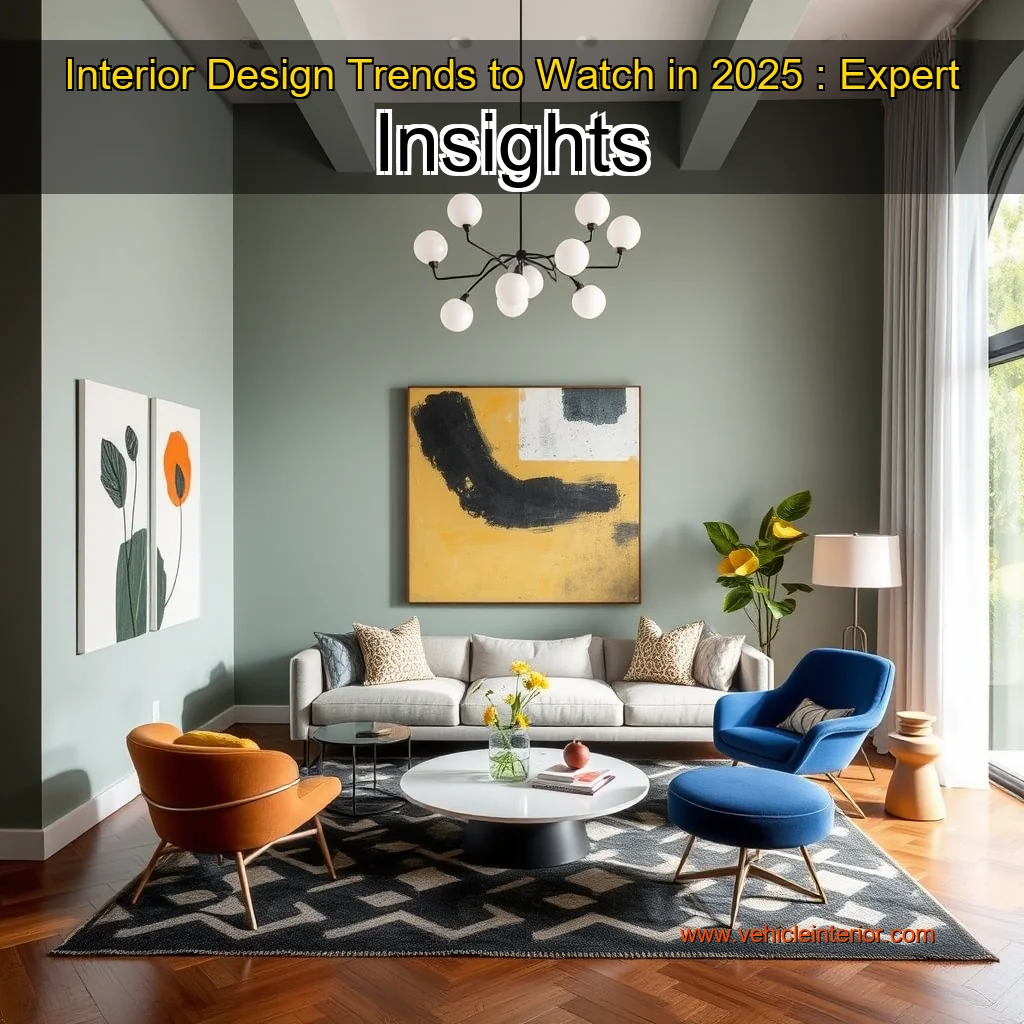
As we move forward into the new year, the interior design industry is poised to make significant strides in incorporating eco-friendly materials, smart home technology, and bespoke designs that cater to individual preferences.
Sustainable Design
The emphasis on sustainability is evident in the interior design trends of 2025.
The shift towards eco-friendly materials is driven by consumers’ growing awareness of the environmental impact of their purchasing decisions.
The Rise of Eco-Conscious Living
The demand for eco-friendly products and materials is on the rise, driven by consumers’ increasing awareness of the environmental impact of their purchasing decisions. This shift towards eco-conscious living is not only a moral imperative but also a sound business strategy.
The Benefits of Eco-Friendly Materials
Eco-friendly materials offer numerous benefits, including:
Sustainable Materials for a Greener Future
The use of sustainable materials is becoming increasingly popular, and for good reason. From reclaimed wood to upcycled textiles, there are countless options available for those looking to reduce their environmental impact.
Reclaimed Wood: A Sustainable Choice
Reclaimed wood is a popular choice for eco-conscious homeowners and businesses. Not only is it sustainable, but it also adds a touch of character to any space.
The Rise of Sustainable Interiors
The way we design and use interior spaces is undergoing a significant transformation. As concerns about climate change and resource depletion grow, the demand for sustainable and energy-efficient interiors is increasing. This shift is driven by a desire to reduce our ecological footprint and create healthier, more comfortable environments.
The Importance of Energy Efficiency
Energy efficiency is a critical aspect of sustainable interiors. By reducing energy consumption, we can lower greenhouse gas emissions and mitigate the impact of climate change. In interior design, this means using materials and technologies that minimize energy usage, such as LED lighting, insulation, and smart windows.
Key Strategies for Energy Efficiency
The Role of Materials and Color
The choice of materials and color can also play a significant role in creating energy-efficient interiors.
She suggests that individuals should focus on the benefits of decluttering, such as reduced stress and increased productivity, rather than the perceived negative aspects.
The Rise of Minimalism and Decluttering
In recent years, the world has witnessed a significant shift towards minimalism and decluttering. This trend is not just about getting rid of unnecessary items, but about creating a more intentional and organized lifestyle.
The integration of AI-powered design tools will enable architects and designers to create spaces that are tailored to individual needs and preferences.
The Rise of Sustainable Design
The interior design trends of 2025 prioritize sustainability, with a focus on reducing waste and minimizing environmental impact.
Sustainability is becoming the defining feature of design.
The Rise of Sustainable Design
The world of design is on the cusp of a revolution. As the industry continues to evolve, sustainability is becoming an increasingly important aspect of design. According to Keith Menon, “By 2025, sustainability will not only complement design, but will actually be its defining feature.” This statement highlights the growing recognition of the importance of sustainability in design.
The Shift in Priorities
Industry experts concur that the coming year will bring significant changes, prioritizing aesthetics, usability, and environmental stewardship. The focus is no longer just on creating beautiful designs, but on creating designs that are not only visually appealing but also responsible and sustainable.
Key Drivers of Change
Several factors are driving this shift in priorities: