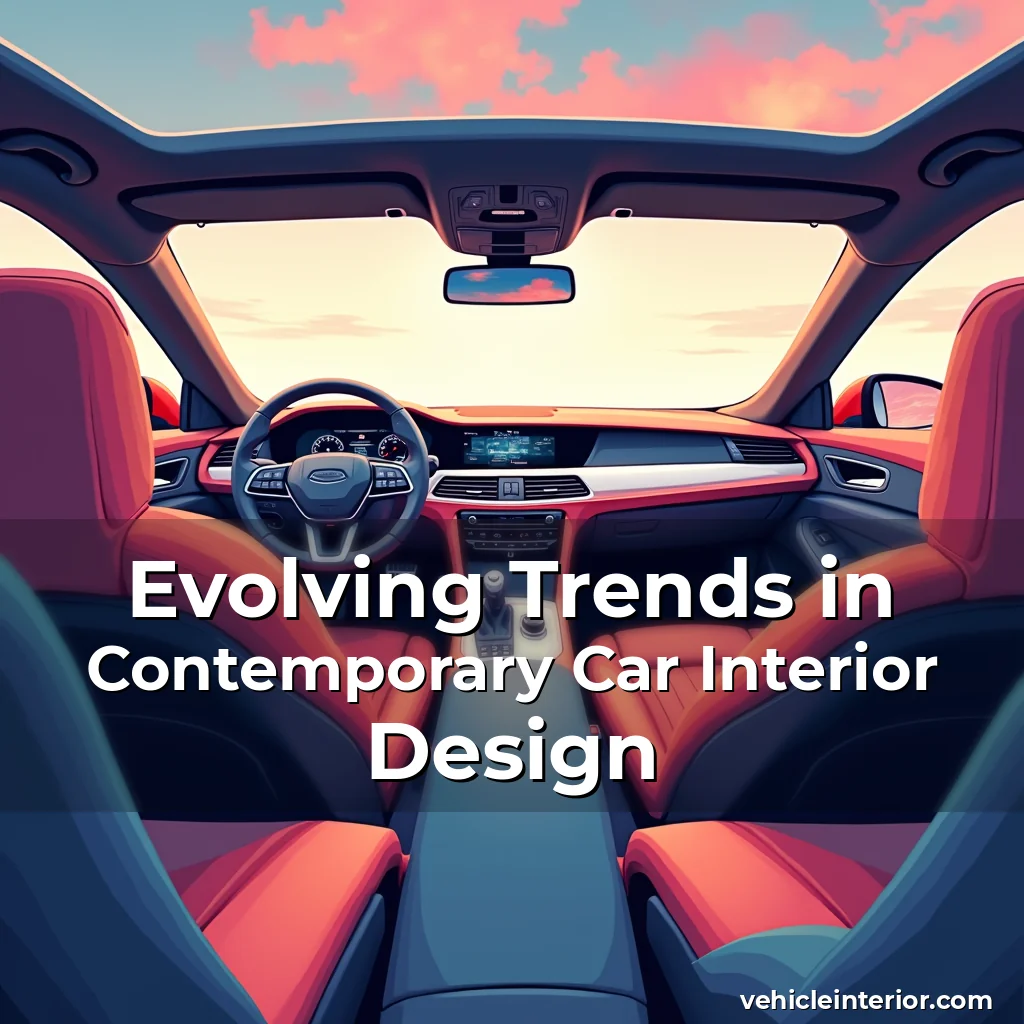
Evolving Trends in Contemporary Car Interior Design
The Artistry Behind Modern Car Interiors: A Deep Dive Into Automotive Design Innovation
In an era where automotive technology is advancing at breakneck speed, car interior design has evolved from mere functionality to a sophisticated blend of aesthetics, ergonomics, and technological integration. Today’s vehicles are not just modes of transportation but extensions of personal identity and lifestyle.
This transformation reflects changing consumer expectations, with drivers now seeking interiors that offer both comfort and cutting-edge features while maintaining a distinct personality through design elements.
Evolving Trends in Contemporary Car Interior Design
The modern car interior is undergoing a dramatic metamorphosis driven by shifting preferences and technological breakthroughs. Manufacturers are reimagining spaces traditionally seen as utilitarian into environments that prioritize driver experience and passenger well-being.
One notable trend is the increasing use of sustainable materials across various segments of the luxury market. Brands such as Tesla and BMW have pioneered the incorporation of recycled plastics and plant-based leathers without compromising on quality or style.
A second significant movement involves the rise of minimalist aesthetics combined with smart home-like integration systems within vehicles. This approach focuses on decluttered dashboards and intuitive interfaces that respond seamlessly to voice commands or touch gestures.
- Sustainable Materials: Eco-friendly options now include vegan leather alternatives made from pineapple leaves (Piñatex) and mushroom-based foams that reduce environmental impact significantly compared to traditional upholstery methods.
- Smart Integration: Vehicles equipped with AI-powered assistants allow occupants to control climate settings, entertainment systems, and even adjust seating positions using natural language processing technologies similar to those found in high-end residences.
The fusion of these trends highlights how current car interiors aim to balance innovation with responsibility towards ecological sustainability.
Materials Selection: The Foundation of Interior Craftsmanship
Selecting appropriate materials plays a crucial role in defining the character and durability of any automobile’s cabin space. From wood trims to carbon fiber accents, each choice contributes uniquely to overall aesthetic appeal and perceived value.
Vehicles targeting premium markets often feature handcrafted detailing using real wood veneers sourced ethically from sustainably managed forests. These finishes add warmth and sophistication that synthetic imitations struggle to replicate authentically.
Luxury automakers also employ exotic metals like brushed aluminum and polished brass for trim pieces, enhancing visual depth while providing robustness against daily wear-and-tear encountered during regular usage cycles.
Material Innovations Driving Industry Standards
Recent advancements have led to remarkable innovations in material science benefiting both performance aspects and sensory experiences inside cars. For instance, some manufacturers utilize thermoplastic composites which combine light weight properties with enhanced structural integrity suitable for crash safety requirements.
Additionally, acoustic treatments embedded within panels help minimize road noise exposure improving occupant comfort levels substantially especially noticeable when driving long distances over rough terrain conditions.
These developments showcase how meticulous attention paid toward selecting right materials can transform ordinary interiors into extraordinary living spaces tailored specifically for automotive applications.
Ergonomic Engineering: Enhancing Comfort Through Scientific Precision
Ergonomic principles form the backbone of effective car interior design ensuring optimal usability and physical comfort regardless of trip duration or driving style adopted by individuals.
Seat engineering represents one area where ergonomic considerations are paramount. Adjustable lumbar support mechanisms along with multi-way power adjustments enable users customize their seating posture precisely according to anatomical needs.
Dash layouts follow similar logic incorporating touchscreen displays strategically placed so they remain easily accessible yet unobtrusive enough not distract drivers unnecessarily during operation periods.
Moreover, ambient lighting configurations play vital roles too; adjustable color temperatures assist in creating desired moods whether relaxing after work hours or preparing mentally before embarking journeys requiring heightened alertness states.
Tech Integration: Merging Functionality With Seamless Experience
As digital ecosystems expand beyond homes into mobile environments, automobiles must adapt accordingly integrating advanced tech solutions that enhance convenience without sacrificing simplicity essential for safe navigation tasks.
Modern infotainment systems go far beyond basic radio functions offering fully connected platforms capable of streaming music services, accessing navigation data via satellite positioning networks, and enabling hands-free calling capabilities through Bluetooth connectivity protocols.
Furthermore, wireless charging stations become standard fixtures nowadays allowing smartphone owners charge devices conveniently eliminating need for tangled cords cluttering limited storage compartments available within confined cockpit areas.
Vehicle-to-everything (V2X) communication technology enables automobiles interact safely with surrounding infrastructure thereby reducing accident risks dramatically particularly beneficial urban traffic scenarios characterized frequent stop-start movements typical city driving patterns.
Customization Options: Personalizing Your Mobile Sanctuary
Today’s consumers demand greater degrees of customization reflecting individual tastes rather than adhering strictly pre-determined factory specifications alone.
Many brands provide extensive palette choices regarding fabric types including microfiber suedes alongside conventional leather grades catering diverse preference ranges from sporty appearances preferring vibrant hues up through classic elegance favoring neutral tones.
Interior illumination schemes also contribute greatly towards personal expression possibilities letting customers choose between dynamic mood lighting setups featuring programmable colors sequences synchronized potentially music playback activities occurring simultaneously inside cabins.
Some companies even permit bespoke modifications covering everything ranging custom stitching patterns applied onto seat covers extending special requests concerning dashboard layout arrangements accommodating specific tool placements preferred particular professions like emergency responders needing quick access equipment storage solutions.
Cultural Influences Shaping Global Interior Preferences
Cultural backgrounds influence perceptions about what constitutes ideal interior designs varying considerably among regions due historical contexts shaping collective values associated different spatial arrangements.
In Asian markets emphasizing familial relationships closely, spacious family-oriented interiors become priority factors influencing design decisions focusing maximizing legroom availability particularly rear seats prioritized heavily since extended families commonly travel together frequently.
Conversely Western societies leaning more toward individualism might prefer compartmentalized seating arrangements promoting privacy boundaries between passengers facilitating independent engagement opportunities during transit phases.
Such cultural nuances necessitate careful consideration by designers aiming create universally appealing products respecting regional sensibilities simultaneously meeting global standards expected contemporary automotive industry benchmarks.
Futuristic Concepts Redefining Tomorrow’s Cockpits
Looking ahead, emerging technologies promise revolutionize future car interiors transforming them into highly interactive intelligent environments adapting dynamically based upon user behaviors detected automatically via sensors integrated throughout entire cabin structures.
Autonomous driving capabilities will inevitably shift focus away manual controls towards immersive entertainment options featuring holographic projections displaying personalized content curated specifically interests profiles established earlier through machine learning algorithms analyzing past interaction histories stored securely cloud servers.
Predictive maintenance systems powered artificial intelligence could anticipate potential mechanical issues proactively scheduling service appointments minimizing unexpected breakdown occurrences disrupting schedules unexpectedly.
Lastly, biometric authentication techniques may replace traditional key fobs altogether utilizing fingerprint scans facial recognition software granting secure entry authorization instantly verifying identities accurately without reliance external hardware accessories typically lost misplaced regularly.
Conclusion
The evolution of car interior design encapsulates broader societal shifts towards valuing experiential qualities alongside functional necessities making every journey potentially enjoyable memorable event transcending simple act commuting destinations.
By embracing innovative approaches focused sustainability, human-centric engineering, and seamless technological integration, tomorrow’s vehicles stand poised deliver unparalleled comfort satisfaction reshaping our relationship with mobility itself fundamentally.

news is a contributor at VehicleInterior. We are committed to providing well-researched, accurate, and valuable content to our readers.
You May Also Like

About news
Vehicle interior expert sharing tips and guides for maintaining and upgrading your car's interior.