The Radiant Revolution: Innovations and Inspirations in Modern Car Interior Lighting
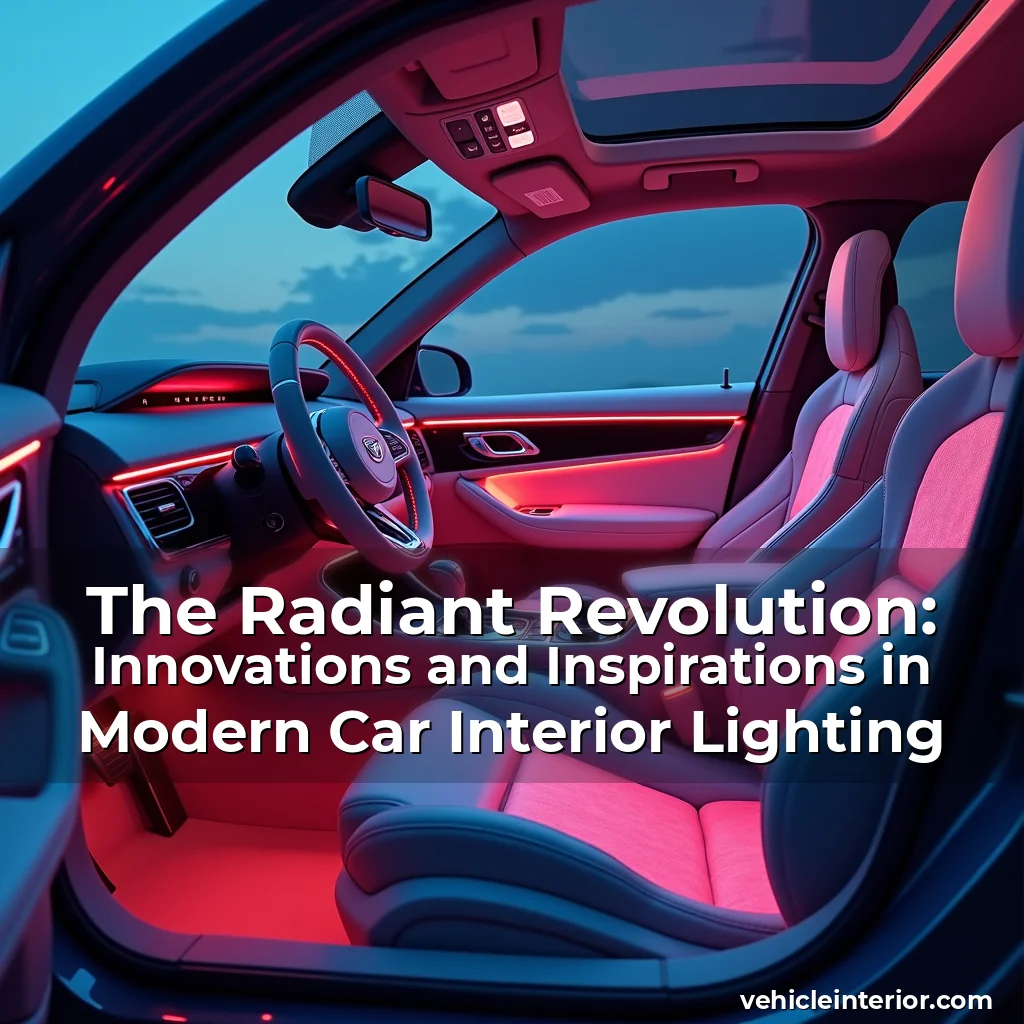
The Radiant Revolution: Innovations and Inspirations in Modern Car Interior Lighting
In an era where automotive design transcends mere transportation, car interior lighting has emerged as a pivotal element defining both aesthetics and functionality within vehicles. This evolution reflects not only technological advancements but also a deep understanding of human psychology and ergonomics.
From ambient mood settings to advanced driver assistance features integrated through illumination, modern interiors are redefining what we expect from our cars’ internal environments. As manufacturers strive for innovation, the interplay between light and space becomes increasingly significant in crafting driving experiences tailored to individual preferences.
The Evolution of Automotive Interior Lighting
Historically, car interiors relied primarily on overhead dome lights and basic instrument panel illumination. These solutions served their purpose well—providing enough visibility during nighttime drives or when entering/exiting a parked vehicle.
However, as technology progressed so did expectations regarding comfort and convenience inside automobiles. The introduction of LED technology marked a turning point by offering brighter yet energy-efficient alternatives compared to traditional incandescent bulbs used previously.
Today’s vehicles feature sophisticated lighting systems designed not just for practicality but also for enhancing ambiance and user experience. Manufacturers now incorporate customizable options allowing drivers to adjust brightness levels according to personal preference or situational needs such as reading while stopped at traffic signals.
- LED Technology: Offers superior efficiency and longevity over conventional lighting methods, reducing maintenance costs associated with bulb replacements.
- Sensors & Automation: Smart sensors detect occupancy patterns automatically adjusting light intensity based on time-of-day or presence within certain zones of the cabin.
This shift towards intelligent illumination represents more than aesthetic enhancement; it signifies a broader trend toward creating safer, more intuitive environments within moving spaces.
Fundamental Types of Car Interior Lights
Vehicles today come equipped with various types of interior lighting each serving distinct purposes ranging from safety alerts to emotional engagement via color-changing effects.
Among these essential components are dome lights which provide general illumination across the passenger compartment, map lamps positioned near seating areas for localized lighting during night-time use cases like reading maps or using phones.
Dashboards too benefit from specialized lighting arrangements ensuring clear visibility of gauges and controls even under low-light conditions without causing glare issues that could distract drivers.
Additional features include footwell lighting aimed at improving legroom perception especially useful in compact models where maximizing perceived space matters greatly.
Understanding Ambient vs Functional Lighting
Ambient lighting creates atmospheric effects influencing moods and perceptions within enclosed spaces like automobiles. It often involves soft glow emanating from panels beneath seats or along door sills adding warmth and sophistication to otherwise utilitarian interiors.
Functional lighting serves direct operational roles such as highlighting control buttons on climate systems or indicating warning messages through colored indicators located strategically around dashboards and center consoles.
Research indicates that appropriately balanced combinations of both can enhance overall satisfaction among occupants by catering simultaneously to psychological comforts alongside necessary information delivery mechanisms crucial for safe operation.
Manufacturers carefully calibrate these elements considering factors including reflectivity properties of materials used inside cabins since excessive contrast might lead to visual fatigue particularly noticeable during long journeys.
Technological Advancements Shaping Today’s Lighting Systems
Recent years have witnessed remarkable innovations transforming how we perceive and interact with interior lighting within motor vehicles. One notable advancement lies in adaptive lighting technologies capable of responding dynamically to external stimuli.
These systems utilize cameras and sensors embedded throughout the vehicle exterior detecting environmental changes then adjusting interior illumination accordingly—for example dimming dashboard displays upon entry into tunnels thereby minimizing potential distractions caused by sudden shifts in brightness.
Additionally, integration with smartphone applications allows users greater control over their preferred lighting configurations enabling them customize settings remotely before arriving home or preparing for travel scenarios requiring different atmospheres.
Such capabilities underscore growing emphasis placed upon personalization aspects integral to contemporary consumer demands shaping future developments related specifically towards vehicular illumination domains.
Design Considerations Influencing Light Placement And Aesthetics
Crafting effective interior lighting schemes requires careful consideration of spatial dynamics inherent within diverse automobile designs varying significantly depending upon model classifications—from sedans down to SUVs—and respective occupant requirements thereof.
Architectural principles governing successful illumination layouts emphasize balance between uniform distribution versus targeted focus points ensuring neither overwhelming nor insufficiently lit regions exist anywhere inside any given make/model.
Color temperature selection plays another critical role determining whether cooler blues promote alertness suitable for highway cruising contrasts against warmer yellows fostering relaxation ideal prior bedtime trips.
Material choices influence optical behaviors thus necessitating strategic placement decisions taking reflective surfaces into account preventing unwanted glare situations particularly prevalent amidst metallic finishes commonly found nowadays across premium segments.
Case Study: Luxury Segment Innovations In Illumination Design
Luxury automakers lead industry trends showcasing cutting-edge implementations leveraging advanced engineering coupled with artistic sensibilities resulting in uniquely immersive experiences centered around refined aesthetics combined seamlessly with technical prowess.
Pioneering brands employ fiber optics woven intricately within fabric upholstery delivering subtle luminescence accentuating textures enhancing tactile sensations experienced firsthand whenever occupants engage physically with interior surfaces.
Some models integrate projection mapping techniques projecting dynamic visuals onto window panes changing continuously reflecting current weather conditions outside mirroring real-time data updates relevant to passengers situated comfortably indoors irrespective of external circumstances affecting visibility levels outdoors.
Such approaches redefine boundaries pushing limits beyond mere utility positioning interior lighting firmly within realm considered essential aspect contributing substantially towards holistic brand identity construction efforts undertaken aggressively currently amongst top-tier manufacturers vying fiercely for market dominance through differentiation strategies emphasizing experiential value propositions over simplistic commodity offerings alone.
Ergonomic Benefits Of Thoughtfully Designed Interior Lighting Schemes
Beyond aesthetic appeal, properly implemented lighting solutions contribute immensely towards promoting physical wellness among frequent travelers navigating extended periods confined within limited volumes typical characteristics exhibited consistently throughout entire spectrum covering commercial aviation transport up until private yachting excursions alike.
Proper illumination prevents eye strain reducing instances headaches migraines reported regularly amongst individuals subjected prolonged exposure suboptimal lighting environments frequently encountered during overnight road trips spanning multiple days straight.
Adjustable brightness controls allow gradual transitions assisting circadian rhythm regulation helpful maintaining healthy sleep cycles especially beneficial those working rotating schedules requiring regular cross-country flights or late-night commutes back home after work hours.
Moreover adequate lighting supports better posture awareness encouraging correct sitting positions decreasing risk developing chronic musculoskeletal disorders linked improper alignment sustained lengthy durations without sufficient guidance provided visually through clearly defined contours enhanced through strategic placement directional beams focused precisely upon key anatomical landmarks facilitating optimal body mechanics realization effortlessly.
Environmental Impact And Sustainability Initiatives Related To Vehicle Lighting
As global consciousness surrounding ecological responsibilities intensifies steadily increasing pressure mounts upon industries—including automotive sector—to adopt greener practices mitigating carbon footprint contributions arising inevitably consequence production consumption processes involved therein.
Light Emitting Diodes (LED) stand out prominently due inherently lower power consumption rates relative other available alternatives thereby considerably lessening electricity usage translating directly reduced greenhouse gas emissions attributable manufacturing operations transporting goods servicing end-users globally dispersed locations worldwide.
Furthermore recycling programs initiated several OEMs facilitate responsible disposal old units containing hazardous substances potentially harmful ecosystems unless handled correctly following established protocols ensuring minimal disruption natural habitats affected inadvertently mishandled waste streams improperly discarded unregulated landfills posing serious threats biodiversity preservation initiatives pursued tirelessly numerous NGOs governmental bodies collaborating closely achieve common goals safeguard planet Earth collectively inhabited millions species coexisting harmoniously within shared biosphere.
Adoption renewable energy sources powering auxiliary lighting systems further reinforces commitment sustainability objectives achieved successfully demonstrated through pilot projects launched recently test feasibility scaling implementing widely accepted standards eventually becoming norm rather exception soon foreseeable future ahead us all.
Trends And Future Developments In Car Interior Lighting Technologies
Ongoing research continues unveiling promising avenues poised revolutionize landscape interior illumination domains shortly thereafter imminent arrival next generation products incorporating novel methodologies derived interdisciplinary collaborations involving fields extending beyond traditional electrical engineering disciplines encompassing neuroscience cognitive science behavioral studies etcetera.
Predictive analytics powered AI algorithms analyzing vast datasets collected historical performance metrics enable development highly personalized lighting profiles adapting autonomously fluctuating contextual variables impacting occupant comfort satisfaction indices measured periodically longitudinal studies tracking effectiveness interventions deployed systematically throughout fleet management operations conducted corporations monitoring fleet utilization efficiencies striving optimize resource allocations aligning corporate social responsibility mandates simultaneously achieving financial targets profit maximization pursuits concurrently.
Biometric sensors represent another frontier exploring possibilities integrating physiological feedback loops directly informing adjustment parameters executed instantaneously responsive manner ensuring continuous state optimal wellness maintained throughout duration occupied within confines specified mobile living spaces regardless geographic location traversed journey embarked upon departure initial destination intended reached final endpoint concluded successfully completion mission assigned undertaking endeavor commenced initially.
With these emerging technologies, the horizon of car interior lighting promises transformative changes that will redefine how we experience and interact with our vehicles’ internal environments, making every drive more comfortable, efficient, and enjoyable.
Conclusion
Car interior lighting has evolved far beyond its rudimentary beginnings, becoming a multifaceted component that enhances both the functional and aesthetic dimensions of modern vehicles. From the earliest overhead dome lights to today’s smart, adaptive systems, the journey reflects a blend of technological progress and evolving consumer needs.
By embracing innovative lighting solutions, drivers and passengers can enjoy improved safety, comfort, and customization options tailored to their preferences. Whether it’s optimizing visibility for safer driving or setting the perfect ambiance for a relaxing commute, the right interior lighting makes all the difference in transforming a simple ride into an extraordinary experience.

news is a contributor at VehicleInterior. We are committed to providing well-researched, accurate, and valuable content to our readers.
You May Also Like
About news
Vehicle interior expert sharing tips and guides for maintaining and upgrading your car's interior.