The Evolution of Automotive Interiors: A Deep Dive into Modern Vehicle Interior Design Trends
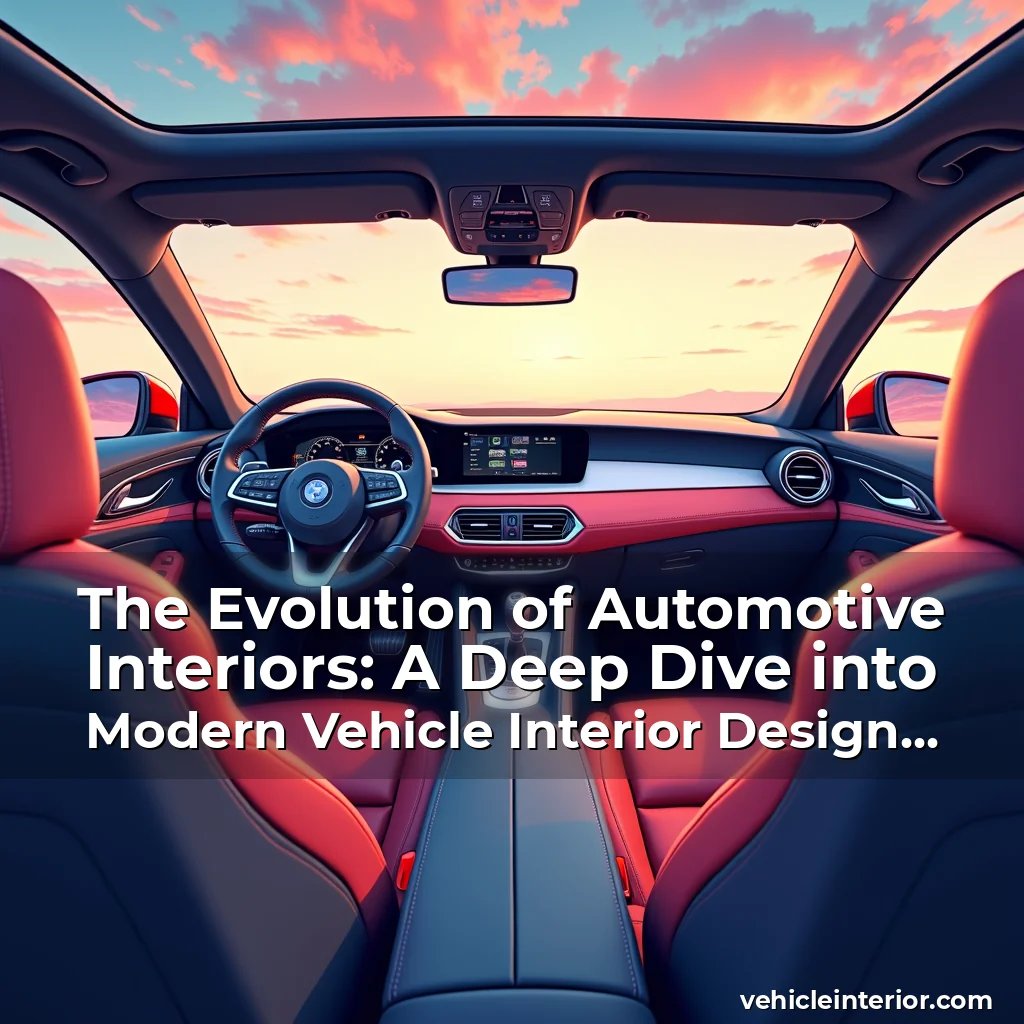
The Evolution of Automotive Interiors: A Deep Dive into Modern Vehicle Interior Design Trends
In an era where vehicles are becoming extensions of our living spaces, automotive interior design has transformed dramatically. From minimalist aesthetics to high-tech integration, today’s car interiors reflect personal style while prioritizing functionality.
This evolution is driven by advancements in materials science, digital technology, and shifting consumer preferences. As we explore current trends, it becomes clear that comfort, sustainability, and innovation are now central pillars of modern vehicle interiors.
The Rise of Minimalist Cabin Designs
Minimalism has taken center stage in vehicle interior design, emphasizing clean lines, uncluttered spaces, and functional simplicity. This approach creates a serene atmosphere that enhances driver focus and passenger relaxation.
Modern minimalistic interiors often feature hidden storage solutions integrated seamlessly into cabin architecture. These designs prioritize spatial efficiency without sacrificing aesthetic appeal.
Key elements include:
- Reduced visual clutter: Elimination of unnecessary decor items to maintain a calm environment
- Multifunctional surfaces: Dashboards doubling as touchscreens or incorporating fold-out workspaces
- Monochromatic color schemes: Neutral tones creating a cohesive and timeless look
Automakers have responded to growing demand for simplicity by redesigning control layouts and eliminating redundant physical buttons. Touchscreen interfaces now dominate dashboards across various price points.
Sustainable Materials and Eco-Friendly Innovations
Awareness of environmental impact has led to widespread adoption of sustainable materials in vehicle interiors. Recycled plastics, plant-based leathers, and natural fibers are redefining traditional manufacturing practices.
Vehicles from leading manufacturers now incorporate bio-fabricated seating materials made from agricultural waste products. These innovations reduce carbon footprint while maintaining luxury feel.
Notable eco-friendly features include:
- Bamboo trim accents: Lightweight yet durable alternative to wood veneers
- Cork inserts: Naturally antimicrobial material used for door panels and console trims
- Recycled aluminum components: Used extensively in structural parts and decorative elements
Some automakers have pioneered closed-loop recycling systems, allowing old vehicle interiors to be repurposed into new models. This circular economy approach significantly reduces resource consumption.
Smart Technology Integration
The proliferation of smart devices has revolutionized how we interact with our cars’ interiors. Voice-controlled systems, gesture recognition, and AI assistants are now standard features in premium vehicles.
Advanced infotainment systems offer seamless connectivity between mobile devices and vehicle controls. Features like wireless charging pads and USB-C ports have become essential for tech-savvy drivers.
Prominent technological advancements include:
- Holographic displays: Projecting navigation data and entertainment options in mid-air
- Augmented reality windshields: Overlaying real-time traffic information onto the driving view
- Biometric authentication: Using fingerprint or facial recognition for personalized settings
Intelligent climate control systems learn occupant preferences through machine learning algorithms. These systems optimize temperature, air quality, and seat positioning automatically.
Customization and Personal Expression
Vehicle interiors are increasingly seen as canvases for self-expression. Manufacturers now offer extensive customization options to cater to diverse tastes and lifestyles.
From modular seating configurations to bespoke upholstery choices, customers can tailor their cabins to match individual needs and aesthetic preferences. Some brands provide online configurators for complete personalization.
Popular customization features encompass:
- Color-matched stitching: Customizable thread colors for seats and trim
- Personalized ambient lighting: Adjustable LED strips with programmable color palettes
- Modular storage compartments: Configurable shelving units based on user requirements
High-end models even allow engraving of names or initials on steering wheels and shift knobs. This level of personalization transforms vehicles into uniquely tailored experiences.
Ergonomic Advancements and Health Considerations
With increased awareness of health and well-being, vehicle interiors are being redesigned with ergonomic principles at their core. Seating systems now incorporate posture-support technologies and pressure-point relief mechanisms.
Adjustable lumbar support, heated/ventilated seats, and memory functions are becoming standard across different vehicle segments. Advanced headrests help prevent whiplash injuries during collisions.
Health-focused innovations include:
- Anti-bacterial fabrics: Seat covers treated with silver ion technology to inhibit microbial growth
- Air purification systems: HEPA filters removing pollutants and allergens from cabin air
- UV sterilization: Light-emitting diodes killing germs on frequently touched surfaces
Many manufacturers are integrating wellness apps that monitor driver fatigue levels through biometric sensors. These systems alert occupants when rest is needed.
Lighting Solutions Redefined
Interior lighting has evolved beyond basic illumination to create immersive environments within vehicles. Dynamic lighting systems now respond to mood, time of day, and driving conditions.
LED technology enables precise control over light intensity, hue, and direction. Smart lighting systems can be programmed to simulate sunrise patterns for morning commutes.
Emerging lighting trends showcase:
- Adaptive ambient lighting: Changing colors based on music playback or driving mode selections
- Fiber-optic accent lighting: Creating soft glow effects along dashboard edges and door sills
- Projection lighting: Casting images or patterns onto window surfaces using micro-projectors
Some vehicles feature biologically inspired lighting that mimics natural daylight cycles. These systems enhance circadian rhythms during long journeys.
Material Innovation and Textural Diversity
Designers are experimenting with novel textures and hybrid materials to create distinctive sensory experiences inside vehicles. Combining smooth surfaces with tactile elements adds depth to cabin aesthetics.
Alcantara, a synthetic suede-like material, remains popular due to its grip properties and luxurious feel. Natural leather alternatives derived from pineapple leaves or mushroom mycelium are gaining traction.
Textural combinations currently trending include:
- Luxury vinyl paired with matte metal finishes: Contrasting textures for visual interest
- Rubberized grips combined with polished wood accents: Enhancing usability without compromising elegance
- Tactile fabric panels alongside glossy touchscreen displays: Balancing warmth with modernity
Manufacturers are also exploring 3D-printed surface treatments that add intricate detailing without excessive weight. These techniques enable complex geometric patterns previously impossible to achieve.
Future Directions in Vehicle Interior Design
Looking ahead, several emerging technologies may redefine vehicle interiors in the coming years. Autonomous driving capabilities will necessitate significant changes in cabin layout and function.
As self-driving technology matures, interiors might transition from driver-centric to occupant-focused designs. Convertible seating arrangements could replace fixed configurations to maximize space utilization.
Predicted future developments include:
- Holistic wellness environments: Integrating aromatherapy, sound therapy, and advanced climate control
- Flexible workspace setups: Reconfigurable tables and power outlets for business travelers
- Neuroadaptive interfaces: Systems adjusting cabin ambiance based on brainwave activity
Advances in nanotechnology promise self-cleaning surfaces and improved durability of interior components. These innovations will likely shape next-generation vehicle interiors profoundly.
Conclusion
The transformation of vehicle interiors reflects broader societal shifts towards sustainability, technology integration, and personalized experiences. These trends collectively define the evolving landscape of automotive design.
To stay ahead in this dynamic field, designers and enthusiasts must remain attuned to these innovations. Embracing change will ensure continued relevance in shaping tomorrow’s mobility experiences.

news is a contributor at VehicleInterior. We are committed to providing well-researched, accurate, and valuable content to our readers.
You May Also Like


About news
Vehicle interior expert sharing tips and guides for maintaining and upgrading your car's interior.