State official urges Alabamians to have proper restraints for child passengers in cars
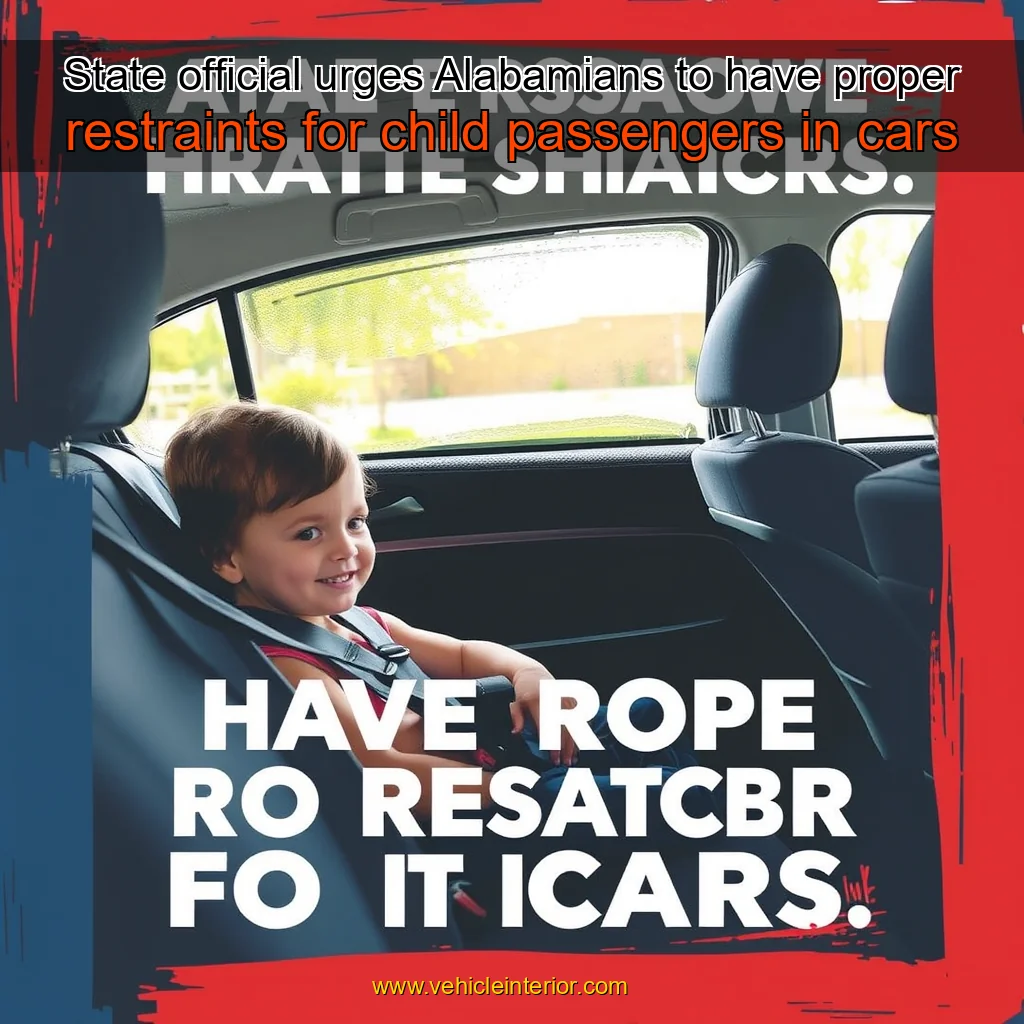
Safeguarding Children in Vehicles: Essential Tips for a Safer Ride.
The letter highlights the importance of child safety in vehicles and provides guidance on how to ensure children’s safety while riding in cars.
The Importance of Child Safety in Vehicles
As a state health officer, Scott Harris is well aware of the risks associated with children riding in cars. According to Harris, “Child safety is a critical component of overall public health.” He emphasizes that children are more vulnerable to injury or death in vehicles due to their size, weight, and lack of understanding of vehicle safety.
Key Safety Tips for Parents and Caregivers
To ensure children’s safety while riding in cars, Harris provides the following key safety tips:
Safeguarding Children in Vehicles with Proper Car Seat Installation.
Understanding the Importance of Proper Car Seat Installation
Proper car seat installation is crucial for the safety of children in vehicles. According to the National Highway Traffic Safety Administration (NHTSA), car seats reduce the risk of fatal injury by 71% for infants and 54% for toddlers. In Alabama, the law requires children to be in a front-facing car seat until they are five-years-old or at least 40 pounds.
Key Factors to Consider
Choosing the Right Car Seat
Choosing the right car seat can be overwhelming, but there are several factors to consider:
“This is a major public health concern.”
The Alarming Reality of Inadequate Safety Seat Use
The statistics are stark: four out of five children are improperly restrained in their safety seats. This is a major public health concern that warrants immediate attention and action. The consequences of inadequate safety seat use can be severe, and it’s essential to understand the risks and take steps to prevent them.
The Risks of Inadequate Safety Seat Use
- Increased risk of injury or death in the event of a crash
- Reduced protection for the child’s head, neck, and body
- Increased risk of ejection from the vehicle
- Potential for long-term health consequences
The risks associated with inadequate safety seat use are multifaceted and far-reaching.

news is a contributor at VehicleInterior. We are committed to providing well-researched, accurate, and valuable content to our readers.
You May Also Like



About news
Vehicle interior expert sharing tips and guides for maintaining and upgrading your car's interior.